
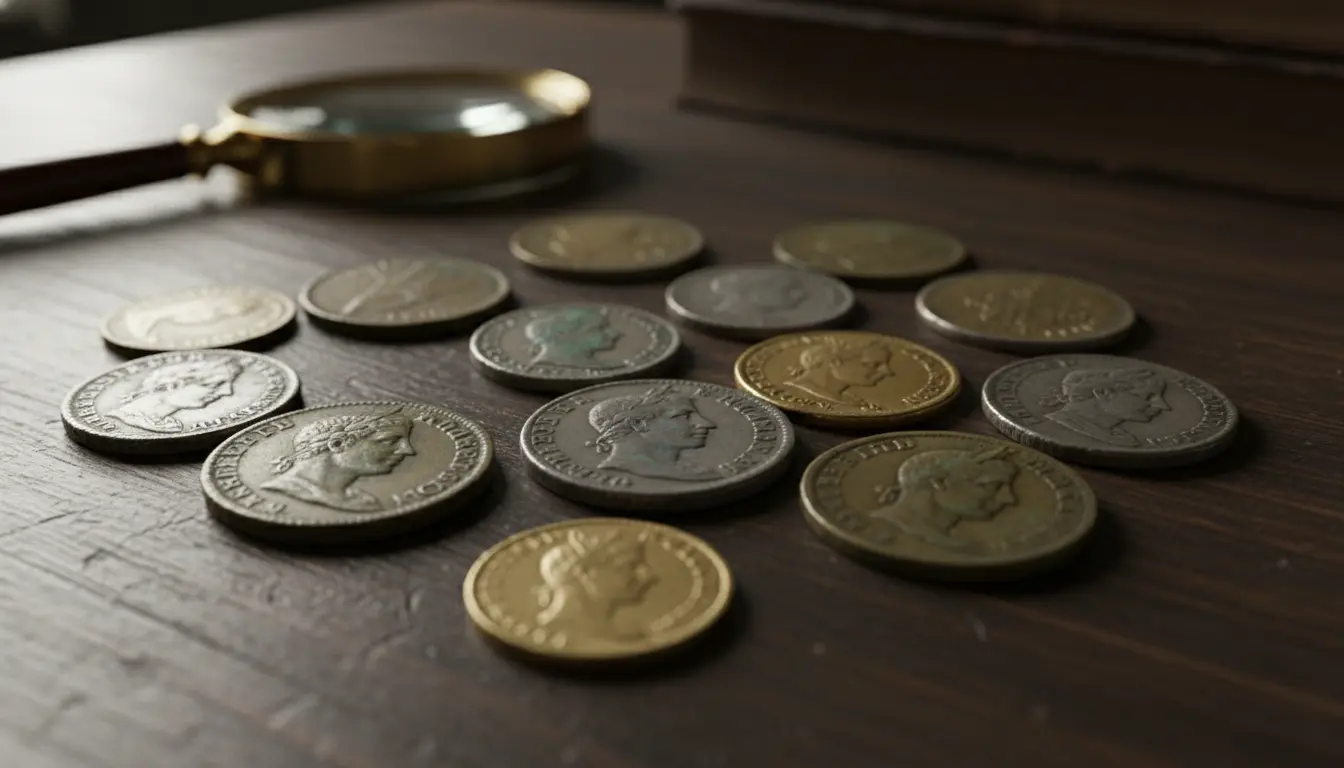
Serious collectors look for rarity, condition, and history when hunting coins. This guide lists the top 13 rare coins wanted by collectors and gives practical tips for evaluating and buying them.
Why These Rare Coins Are Wanted by Collectors
Collectors prize coins that combine scarcity, historical importance, and eye appeal. Provenance, mint errors, and survival in high grades also push demand and market value.
Understanding why a coin is sought-after helps when buying, selling, or appraising. This article focuses on commonly recognized rarities and what makes each desirable.
How to Evaluate Rare Coins Wanted by Collectors
Evaluating rarities requires attention to grade, authenticity, and documentation. Professional grading and clear provenance reduce risk and increase buyer confidence.
- Grade: Look for sharp details and minimal wear.
- Authenticity: Use reputable graders or third-party certification.
- Provenance: Auction records or previous ownership boost value.
- Mint marks and errors: Some mint marks or die errors make coins unique.
- Market demand: Rarity alone is not enough; collectors must want the coin.
Top 13 Rare Coins Wanted by Collectors
1. 1794 Flowing Hair Silver Dollar
Often cited as one of the earliest U.S. silver dollars, this coin is prized for rarity and historical significance. High-grade examples command premium prices and are central to early American collections.
2. 1804 Silver Dollar (Class I)
Called the “King of American Coins,” 1804 dollars are famous for their rarity and diplomatic gift history. Collectors seek authenticated, well-documented pieces.
3. 1787 Brasher Doubloon
An early American gold coin struck by craftsman Ephraim Brasher, this doubloon is valued for its rarity and connection to private gold coinage before the U.S. Mint matured.
4. 1913 Liberty Head Nickel
Only five examples are known, making this nickel one of the most collectible American coins. Ownership history and condition determine auction prices.
5. 1933 Saint-Gaudens Double Eagle
Struck during a turbulent monetary era, this gold coin is famous for rarity and legal history. Surviving specimens are extremely valuable at auction.
6. 1822 Half Eagle (US $5 Gold)
This early U.S. gold piece is rare and often appears in advanced gold collections. Authentication and grade are critical because of limited examples.
7. 1893-S Morgan Silver Dollar
A key date in the Morgan series, the 1893-S is scarce, especially in high grade. Collectors of Morgan dollars often pay large premiums for well-preserved pieces.
8. 1873-CC Liberty Seated Dollar
Carson City mint issues can be scarce, and certain 1873 varieties are highly sought after. Mintmark rarity and strike quality are major value drivers.
9. 1916 Standing Liberty Quarter
The 1916 issue is a recognized key date for the series. Collectors look for well-struck, minimally worn examples with strong eye appeal.
10. 1804/1834 Classic Patterns and Proofs
Pattern coins and rare proofs from the early 19th century are collectible because few were struck and even fewer survive in original condition.
11. Famous World Gold Coins (e.g., Brasher style or historic sovereigns)
Historic gold coins from other countries can be equally desirable. Collectors often pursue specimens with documented historic use or royal provenance.
12. Major Error Coins with Low Survivorship
Errors like double dies, off-center strikes, and broadstrikes can be extremely rare. Documentation and clear photos are essential before purchase.
13. High-Grade Proofs and Presentation Pieces
Proof coins and presentation strikes from important dates command attention. Limited issuance and superior strike quality increase collector demand.
Only five 1913 Liberty Head nickels are known to exist, and each example has a detailed provenance that hugely affects its market value.
Practical Buying Tips for Rare Coins Wanted by Collectors
Work with reputable dealers and insist on third-party grading for high-value coins. Auction houses and respected dealers provide better provenance and legal protections.
Document condition with high-resolution images and compare to auction records. If a deal sounds too good, it likely needs further authentication.
Checklist Before Buying
- Obtain a graded certificate when possible.
- Request provenance and previous auction records.
- Compare prices across recent sales for the same grade.
- Allow a professional appraiser to inspect very expensive pieces.
Real-World Case Study: Auction of an Early Silver Dollar
A well-documented early silver dollar sold at a major auction house after authentication and grading. The buyer paid a premium because the piece had a clear provenance and excellent strike, demonstrating how documentation elevates value.
This example shows that collectors who buy coins with certificates and auction history face less risk and often capture stronger long-term returns.
Final Notes on Top 13 Rare Coins Wanted by Collectors
Collecting rare coins mixes history, art, and investment. Focus on coins with documented authenticity and appeal, and build relationships with trusted graders and dealers.
Patience and research are key. The most sought-after coins reward careful study and cautious buying practices.