
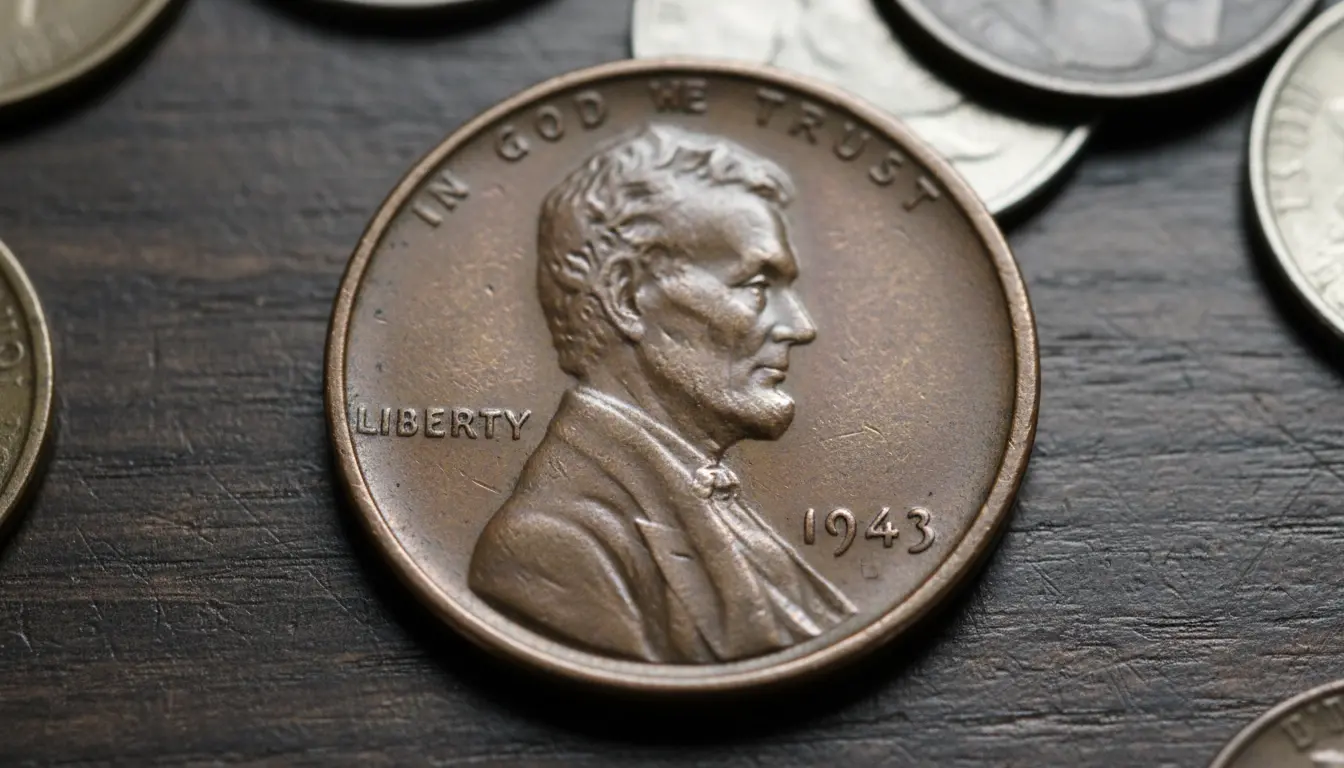
Stories about a Lincoln Wheat Penny valued at $110 million still in circulation often appear in headlines and social media. This article clarifies what such a claim means, explains how to identify genuinely rare wheat pennies, and provides practical steps to verify and protect a potential find.
What People Mean by a Lincoln Wheat Penny Valued at $110 Million
When headlines claim a Lincoln Wheat Penny is worth $110 million, they usually mix facts, misinterpretations, and sensationalism. No known Lincoln Wheat Penny has an established market price near that figure.
High-value coin sales do happen, but they are rare and typically involve coins with exceptional provenance, historical importance, or unique errors. Understanding the difference between rumor and verified sale is essential.
How to Identify a Lincoln Wheat Penny
The Lincoln Wheat Penny was struck from 1909 to 1958 and shows wheat stalks on the reverse. Key identifiers include the date, mint mark, and overall condition.
Look for these features when you examine a coin:
- Date on the obverse under Lincoln’s shoulder
- Mint mark (D, S or none) near the date on most years
- Wheat ears on the reverse for 1909–1958 strikes
- Signs of mint errors such as double die, off-center strikes, or wrong planchet material
Common Valuable Dates and Varieties
Certain dates and varieties are more valuable than others. Examples include the 1909-S VDB, 1914-D, and some 1955 doubled die obverses. These can command significant prices in high grades.
Value depends on rarity, demand, and condition. Most wheat pennies found in pocket change are worth face value or modestly more to collectors.
The Lincoln cent replaced the Indian Head cent in 1909. Early 20th-century minting mistakes and low-mintage years are the main reasons some wheat pennies become collectible.
Steps to Verify a Potentially Valuable Lincoln Wheat Penny
If you find a wheat penny you suspect may be valuable, follow practical verification steps. Start with non-destructive checks and seek professional opinions before selling.
- Examine the date and mint mark with good light and a magnifier.
- Compare the coin to reference photos from reliable sources or catalogs.
- Check for obvious errors: doubled die, off-center, clipped planchet, or wrong metal.
- Preserve the coin by storing it in a soft holder; avoid cleaning or polishing.
- Get an appraisal from a reputable numismatist or a coin grading service if you suspect high value.
Where to Get a Professional Opinion
Trusted options include established coin dealers, regional coin clubs, and third-party grading services such as PCGS or NGC. Ask about fees and turnaround times before sending a coin for grading.
Document the coin with clear photos and a note of where and when you found it. That information helps with provenance and appraisal.
Realistic Market Expectations for a Lincoln Wheat Penny
Most wheat pennies are worth between one cent and a few dollars each. High-grade or rare-date specimens can sell for hundreds or thousands of dollars.
Claims of a Lincoln Wheat Penny valued at $110 million are extremely unlikely without extraordinary provenance or historical significance. Treat such claims as headlines that need verification rather than as fact.
Why Some Values Soar
A coin’s value can jump when it meets several conditions: extreme rarity, superb condition (high grade), a documented chain of ownership, and demand from serious collectors or institutions.
Auctions sometimes set record prices for unique numismatic items, but these are exceptional events and rarely involve everyday coins.
Practical Tips for Collectors and Finders
Follow a few practical rules to protect potential finds and make the most of them if they are valuable.
- Do not clean or alter the coin. Cleaning reduces value.
- Use plastic flips, soft holders, or coin folders for storage.
- Keep clear photos and a record of discovery details.
- Get multiple professional opinions before selling a high-value coin.
- Understand market fees: auction houses and graders charge commissions and service fees.
Case Study: A Real-World Find and Outcome
A collector in the Midwest found a worn 1955 doubled die cent in a box of inherited coins. It looked odd under magnification because the date and lettering had doubling.
He followed practical steps: he stopped handling the coin, took close photos, and took it to a local coin club meeting. Members confirmed it could be a doubled die and advised professional grading.
After submitting the coin to a third-party grader, the doubled die was confirmed and graded in lower circulated condition. The collector sold it through an auction house and received several hundred dollars—far above face value but realistic for that variety and grade.
Conclusion: Be Skeptical and Methodical
Stories claiming a Lincoln Wheat Penny valued at $110 million still in circulation make attention-grabbing headlines. In practice, verification, documentation, and professional grading determine real value.
If you suspect you’ve found something rare, be methodical: avoid cleaning, document the coin, and seek reputable appraisals. That approach protects value and gives you the best chance of a correct valuation.