
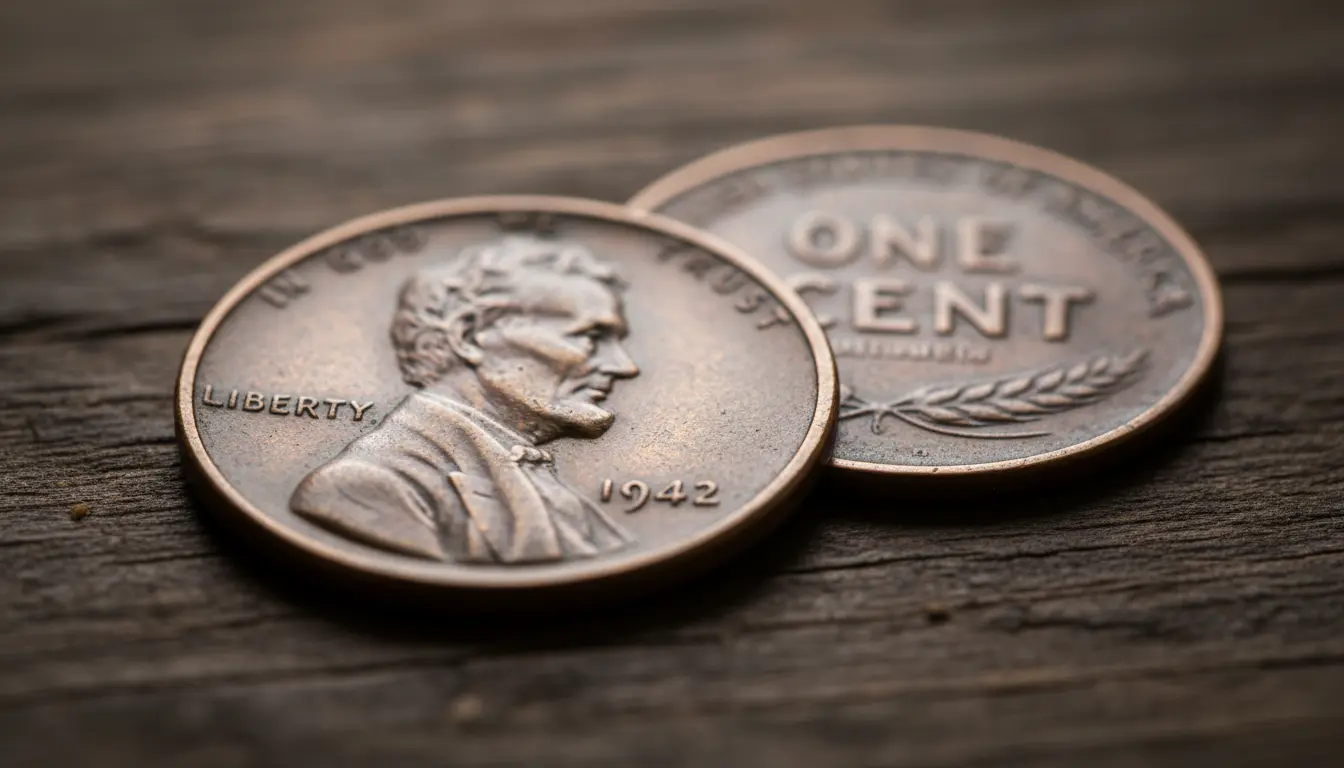
Could a Lincoln Wheat Penny Be Worth $4.4 Million?
Headlines sometimes claim a lone Lincoln Wheat penny could be worth millions. Most wheat cents are common and worth little, but a few error or rare-date coins have sold for large sums once authenticated and graded.
What Makes a Lincoln Wheat Penny Valuable?
Value depends on three main factors: date and mint mark, condition (grade), and rarity due to errors or low mintage. Collectors and auction houses pay premiums for coins with unquestionable provenance and top grades.
Date and Mint Mark
Key dates in the wheat cent series include early issues and low-mintage years. A visible date and mint mark are the first things to check. Some dates are common and worth only face value in worn condition.
Condition and Grading
Condition matters more than age. Coins graded as Mint State (MS60 and above) can be worth many times more than the same date in circulated condition. Grading by a professional service (PCGS, NGC) is often required for high-dollar sales.
Errors and Composition Anomalies
Error coins—such as wrong-metal strikes, double dies, or repunched mint marks—are often the most valuable. The famous 1943 copper cents are valuable because they are composition errors: most 1943 cents were struck in zinc-coated steel, but a very small number were struck on copper planchets by mistake.
How Likely Is a $4.4 Million Penny?
Extremely unlikely. Most wheat pennies found in pockets, jars, or rolls are common dates in worn condition. Only authenticated, extremely rare examples with excellent grading and documented provenance can approach seven-figure prices.
Even error coins must be verified by experts and have a clear story. Auction records show that a handful of error cents have sold for very large sums, but those are the exception, not the rule.
Practical Steps to Check a Penny in Your Pocket
If you think you have a potentially valuable wheat penny, follow these steps to avoid damage and secure an accurate valuation.
- Handle carefully: Hold the coin by the edges to avoid adding oils or scratches.
- Use magnification: A 10x loupe or magnifier helps spot errors, doubled dies, or mint marks.
- Do a basic metal test: Use a magnet—steel cents (like many 1943 issues) will be magnetic; copper will not.
- Photograph the coin: Clear, well-lit images of obverse and reverse help when you consult experts.
- Don’t clean the coin: Cleaning usually lowers value and can harm authentication.
How Experts Authenticate and Value a Wheat Penny
Authentication and grading are performed by professional services. They verify metal composition, strike characteristics, and condition. For potential high-value coins, third-party grading is a required step before auction.
Where to Take the Coin
Start with a reputable coin dealer or local coin club. If an initial review looks promising, submit the coin to a leading grading service. Auction houses will typically require a certification number and grade before accepting a high-value lot.
What to Expect in Value Ranges
Typical market values vary widely:
- Common circulated wheat pennies: face value to a few dollars.
- Uncirculated common dates: a few dollars to a few hundred dollars.
- Key date or error coins (authenticated): can range from hundreds to hundreds of thousands of dollars depending on rarity and grade.
Only a tiny fraction of wheat pennies reach six- or seven-figure prices—and those sales usually involve rare error coins or extremely high-grade examples with firm provenance.
Most Lincoln Wheat pennies were minted from 1909 to 1958. In 1943 the U.S. switched to zinc-coated steel cents because copper was needed for the war effort. Copper 1943 cents are rare composition errors and are highly sought after when authentic.
Small Case Study: What Happened to a Found 1943 Cent
A collector discovered a 1943 cent in a jar and suspected it might be copper rather than steel. They did not clean it and took photos, then contacted a reputable dealer. The dealer arranged certification with a grading service, which confirmed the unusual composition.
After authentication the coin was submitted to an auction house. The coin fetched a substantial sum, illustrating how authentication, grading, and provenance can turn a pocket find into a high-value sale.
Next Steps If You Think You Have a Rare Penny
Follow a step-by-step approach to protect your potential value and avoid scams:
- Keep the coin untouched and stored safely.
- Photograph it clearly and note where you found it.
- Consult a trusted coin dealer or local numismatic club for an initial opinion.
- Submit to a recognized grading service if the coin appears rare.
- Get multiple opinions before accepting offers, and consider auction for maximum exposure.
Final Takeaway on a $4.4 Million Claim
Could a Lincoln Wheat penny be worth $4.4 million? In theory, yes—if it is an authenticated and unique rarity sold under the right market conditions. In practice, the odds are extremely low for a random penny found in everyday circulation.
The best course is careful handling, expert authentication, and professional grading before pursuing any high-value sale. That process is what turns a possible curiosity into a coin that attracts serious collectors and top-dollar bids.