
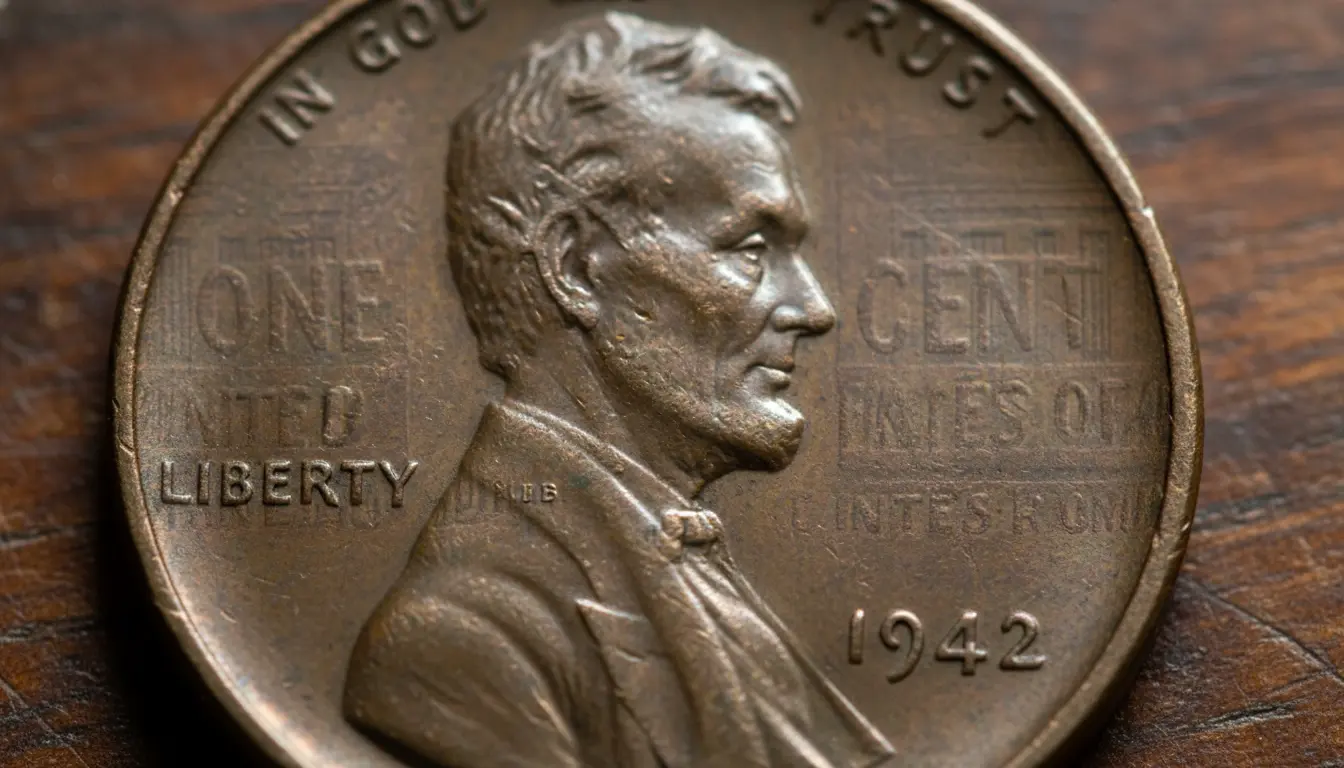
The $10 Million Lincoln Wheat Penny story explained
Headlines about a $10 million Lincoln Wheat Penny can be misleading. Extreme valuations circulate online, but verified public sales of wheat pennies for that amount are not documented. Still, rare Lincoln Wheat Pennies have sold for high prices, and stories of ordinary people finding valuable coins in change are common.
This article explains what creates huge value, how to check change safely, and how to authenticate and sell a rare coin if you find one.
Why some Lincoln Wheat Pennies become extremely valuable
Value depends on three main factors: rarity, condition, and historical demand. A common wheat penny is worth a few cents to a few dollars. Variants, mint errors, or low-mintage coins can be worth thousands or more.
Examples of value drivers include:
- Key dates and mint marks (for example, 1909-S VDB or 1914-D are well known among collectors).
- Mint errors such as wrong-metal strikes or double dies.
- Unusual survival in mint state (exceptionally high grade examples).
The $10 Million Lincoln Wheat Penny: fact or fiction?
Reports of a $10 million wheat penny typically refer to sensational estimates, private offers, or hypothetical valuations for a unique specimen. Most public auction records for wheat pennies are in the tens of thousands to low millions for the rarest, authenticated examples.
Always verify claims by checking auction houses, numismatic databases, or grading services like PCGS and NGC before accepting a headline at face value.
How to check grocery store change safely
Finding a rare coin in grocery change is possible. Use these steps to examine coins without damaging them.
- Wash hands and work on a clean, soft surface to avoid scratches.
- Use a magnifier (10x loupe) to inspect dates, mint marks, and details.
- Avoid cleaning the coin. Cleaning can destroy collector value.
- Compare to reliable photos online or coin guides for known varieties.
Identifying valuable Lincoln Wheat Pennies
Focus on the date, mint mark (no mark, D, or S), and unusual features. Look for double dies, off-center strikes, and unusual coloration or metal.
Common high-value dates for wheat pennies include:
- 1909-S VDB
- 1914-D
- 1922 no D
- 1943 copper strike (rare bronze error)
Simple checklist to identify a potential rare penny
- Is the date clearly visible and an uncommon year?
- Is there a mint mark? (S and D are important)
- Are there doubled letters or numbers on the obverse or reverse?
- Does the metal color look unusual for a Lincoln cent?
- Was the coin stored without cleaning or heavy wear?
What to do if you think you have a valuable coin
If a coin appears rare, follow an authentication process before selling. Professional grading increases buyer confidence and often yields better prices.
- Photograph the coin from multiple angles using natural light.
- Check online auction records and coin price guides for similar specimens.
- Send the coin to a reputable grading service (PCGS, NGC) for authentication and grading.
- Work with established auction houses or specialist dealers for sale.
Be cautious of immediate cash offers from unvetted buyers. Research fees, consignment terms, and seller protections before accepting any deal.
Case Study: Retiree Finds Rare Penny in a Jar of Change
This short case study is a composite example based on common real-world reports. A retiree cleaning out a kitchen drawer discovered a worn wheat penny in a jar. The date was faint but unusual, and the coin showed an odd strike.
Steps taken by the retiree:
- Consulted online coin forums and compared images to known varieties.
- Contacted a local coin dealer who advised submitting the coin to a grading service.
- After authentication and grading, the retiree sold the coin at auction and used proceeds to pay off debt and boost retirement savings.
This illustrates the practical route: inspect, authenticate, and then sell through reputable channels.
Lincoln Wheat Pennies were minted from 1909 to 1958. Many valuable examples are identified by small features like a mint mark or a doubled die. Never clean a suspected rare coin—cleaning can reduce value dramatically.
Tips for sellers and collectors
Whether you plan to sell or keep a rare penny, follow these practical tips:
- Document provenance and keep all photos and correspondence.
- Get multiple opinions before selling; one appraisal may not be enough.
- Understand grading scales and the fees associated with third-party grading.
- Consider long-term holding if market trends suggest rising demand.
Final practical advice about the $10 Million Lincoln Wheat Penny
Headlines that claim a $10 million wheat penny should prompt careful verification. Rare Lincoln Wheat Pennies can indeed be worth thousands to millions, but accurate valuation depends on authentication and market conditions.
If you find a potentially rare penny in grocery change, treat it with care, seek trusted expertise, and avoid quick sales to unknown buyers. With the right steps, a small change find can become a meaningful financial event.