
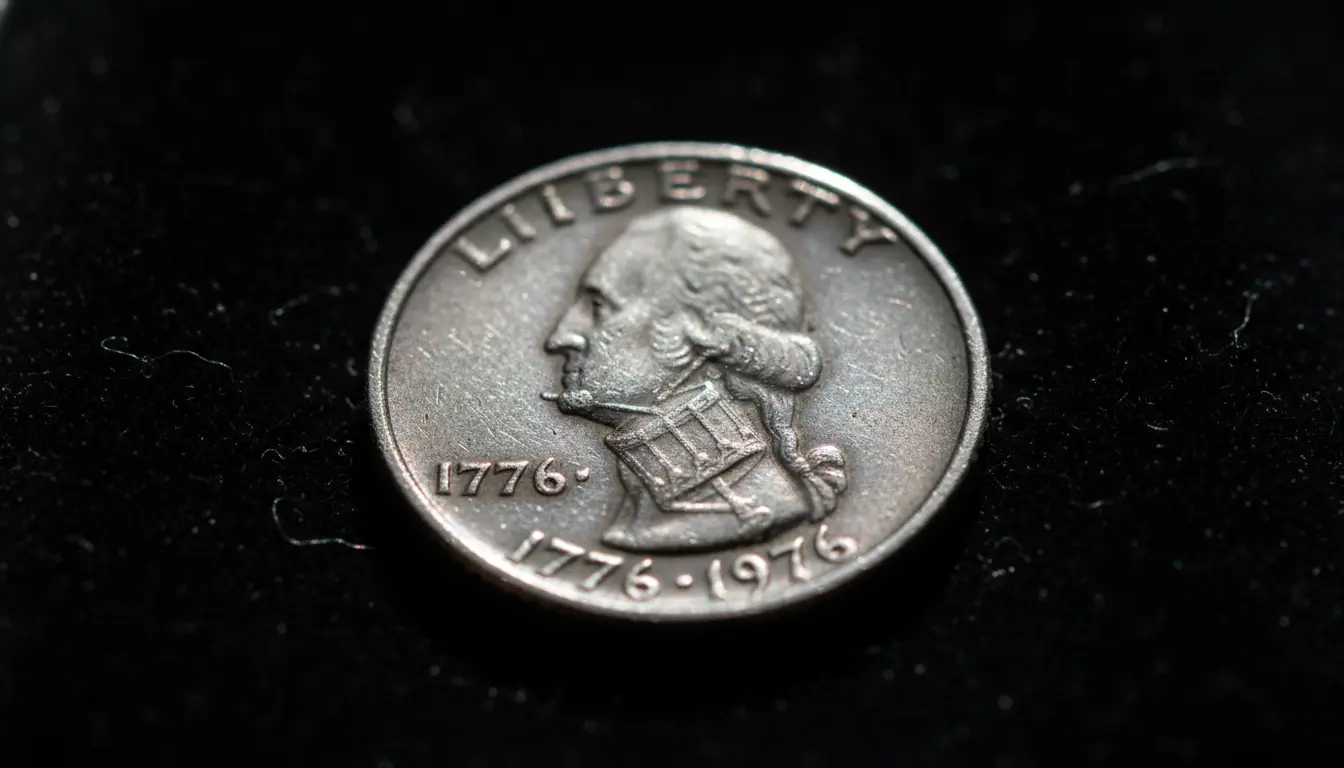
Finding a rare coin can be exciting, but it also requires care and method. This guide explains how to check a Bicentennial quarter for rare features, where to get it graded, and what realistic values look like.
What Is a Bicentennial Quarter?
The Bicentennial quarter was issued in 1975–1976 to mark the 200th anniversary of the United States. It features the dual date 1776–1976 and a special reverse design showing a colonial drummer.
Millions were struck for circulation and for proof sets, which means most are common. However, certain error coins and rare strikes attract collector interest.
Why Some Bicentennial Quarters Are Valuable
Value comes from rarity, condition, and collector demand. Errors, unusual minting processes, or very high grades can push a coin’s price well above face value.
Headlines sometimes claim extreme values like $11 million. These figures are typically speculative or refer to unverified claims rather than documented auction results.
How to Identify a Rare Bicentennial Quarter
Start with a careful visual inspection using a magnifier and good light. Focus on details that differ from standard coins.
Common features to check
- Doubled die: Look for doubled letters, dates, or design elements on the obverse or reverse.
- Off-center strikes: Check if the design is shifted away from the coin’s center.
- Planchet errors: Look for clipped planchets, wrong-metal planchets, or broad strikes.
- Mint marks: Verify the presence and placement of mint marks (D, S). Some varieties are tied to specific mints.
- Surface and luster: Unusual satin or proof-like surfaces on a circulation strike can be notable.
Tools and quick tests
- 10x jeweler’s loupe for close inspection.
- Digital scale and caliper for weight and diameter if you suspect a wrong planchet.
- Good lighting or a macro phone camera to photograph details for later review.
Where to Get a Bicentennial Quarter Appraised and Graded
Professional grading is the standard for serious sales. Reputable services include PCGS, NGC, and ANACS. Grading gives buyers confidence and a marketable certification.
Local coin dealers and coin shows are good for initial opinions. For high-value or rare items, send the coin to a major grading service following their submission rules.
Realistic Value Expectations for a Bicentennial Quarter
Most Bicentennial quarters are worth face value or a few dollars in circulated condition. Proof and mint sets in high grades can fetch tens to hundreds of dollars, depending on rarity.
Extraordinary error coins in top grades may reach thousands or more at auction. Claims of multimillion-dollar values should be treated cautiously and verified through auction records.
Steps to Take If You Think You Have a Valuable Bicentennial Quarter
Follow a calm, step-by-step approach to preserve value and avoid mistakes.
- Do not clean the coin; cleaning can destroy collector value.
- Document the coin with clear photos of both sides and any details.
- Get a preliminary opinion from two reputable dealers or a local numismatic association.
- If promising, submit the coin to a major grading service for authentication and grading.
- If graded highly, consider auction houses that specialize in coins to reach serious collectors.
Case Study: How a Collector Verified a Suspected Error Quarter
A collector noticed a 1976 Bicentennial quarter with a clear doubled legend in circulation. They avoided cleaning it and took detailed photos with a macro lens.
They visited two local dealers who agreed the doubling looked significant and recommended submission to a grading service. The coin received a grade reflecting the error and sold at a specialist auction for several thousand dollars.
This example shows the value of verification and professional grading versus relying on forum speculation.
Where to Learn More and Verify Claims
Use reputable resources: grading company articles, modern coin catalogs, and established auction house records. Online forums can help with opinions but verify with professionals.
Search auction databases and coin census reports to find documented sales of comparable pieces before trusting headline valuations.
Final Practical Tips
- Keep the coin in a non-PVC holder or flip while you research.
- Get multiple opinions before spending on grading or listing at auction.
- Expect realistic waits: grading and auction sales can take weeks to months.
If you suspect you really have a rare Bicentennial quarter, handle it carefully and follow the verification steps above. Proper authentication is the only reliable path from pocket find to market value.